Finding an Amazing VW Repair and Service Shop: Your Complete Guide

When it comes to maintaining your Volkswagen (VW), finding a reliable and trustworthy repair and service shop is essential. Whether your VW needs routine maintenance or major repairs, you want a shop that provides top-notch service to keep your vehicle running smoothly and efficiently. Here’s a comprehensive guide on how to find an amazing VW repair and service shop.

1. Research Local Options

Start by researching local repair and service shops that specialize in Volkswagen vehicles. You can use online search engines, directories, or review platforms to find shops in your area. Pay attention to customer reviews and ratings to get an idea of the reputation and quality of service provided by each shop.
2. Ask for Recommendations

Seek recommendations from friends, family, or fellow VW owners who have had positive experiences with repair shops. Personal referrals can be invaluable in finding a reliable and trustworthy shop. Ask about the quality of service, customer satisfaction, and overall experience.

3. Check Certifications and Specializations

Look for repair shops that have certifications and specializations related to Volkswagen vehicles. ASE (Automotive Service Excellence) certification is a good indicator of professional expertise, while certifications from Volkswagen or other automotive associations demonstrate specific training and knowledge in VW repair and service.

4. Evaluate Experience and Track Record

Consider the experience level and track record of each repair shop. A shop with years of experience working on Volkswagen vehicles is likely to have a better understanding of common issues and how to address them effectively. Look for customer testimonials or case studies to gauge the shop’s reputation and reliability.

5. Inspect Facilities and Equipment

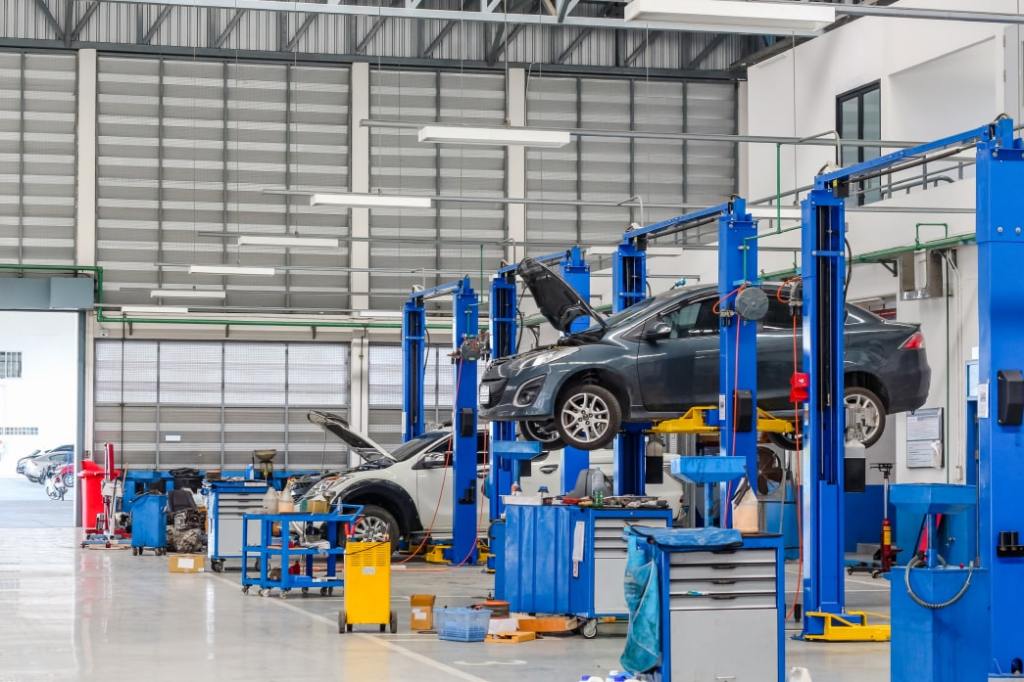
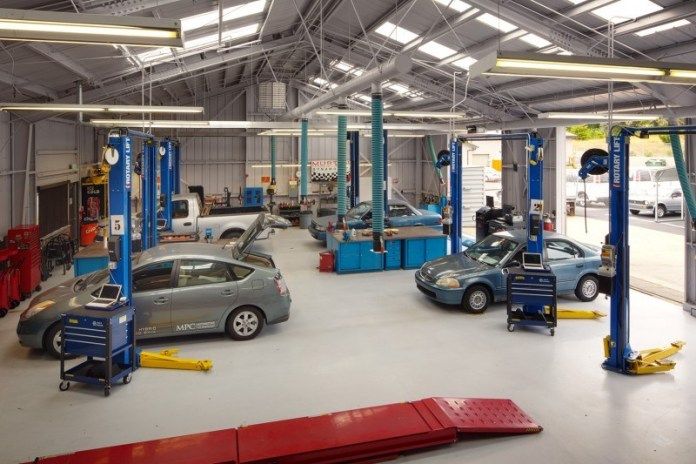
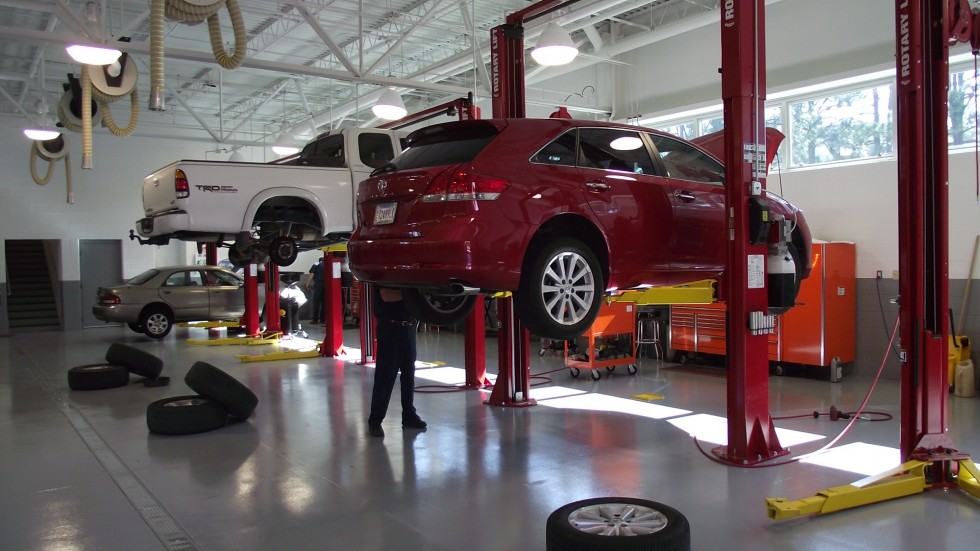
Visit the repair shops you’re considering to inspect their facilities and equipment. A well-maintained and organized shop with modern diagnostic tools and equipment is more likely to provide quality service. Pay attention to cleanliness, professionalism, and the overall impression of the shop.

6. Inquire About Parts and Warranty

Ask the repair shops about the types of parts they use for VW repairs and whether they offer warranties on their work. Genuine OEM (Original Equipment Manufacturer) parts are preferred for their compatibility and quality. A reputable shop should stand behind their work with warranties on parts and labor.

7. Meet the Technicians

Take the time to meet the technicians who will be working on your VW. Ask about their experience, qualifications, and training, especially with Volkswagen vehicles. A knowledgeable and skilled team of technicians is crucial for diagnosing and repairing issues accurately.

8. Request Estimates and Compare Prices

Request estimates from multiple repair shops for the services you need and compare prices. Keep in mind that the cheapest option may not always be the best, as quality of service and expertise should also be considered. Look for transparent pricing and detailed estimates to avoid surprises later on.

9. Consider Convenience and Additional Services

Choose a repair shop that offers convenient services such as shuttle rides, loaner cars, or online appointment scheduling. Consider factors such as location, hours of operation, and availability of amenities like a comfortable waiting area. A shop that goes the extra mile to accommodate your needs is worth considering.

10. Trust Your Instincts

Ultimately, trust your instincts when choosing a VW repair and service shop. If something doesn’t feel right or if you have doubts about a particular shop, it’s okay to continue your search. Your VW is an investment, and you deserve to have it serviced by a shop you feel confident and comfortable with.

Conclusion

Finding an amazing VW repair and service shop requires thorough research, careful evaluation, and consideration of various factors. By following the steps outlined in this guide, you can identify a reliable and trustworthy shop that meets your needs and provides exceptional service for your Volkswagen. Remember to prioritize expertise, reputation, and customer satisfaction when making your decision. With the right repair shop on your side, you can enjoy peace of mind knowing that your VW is in good hands.

More about us

Mercedes-Benz Car Repair Details: Ensuring Quality Maintenance and Service

Mercedes-Benz, a brand synonymous with luxury, performance, and innovation, demands meticulous care to maintain its exceptional standards. Whether you own a sleek C-Class, a powerful GLE, or an opulent S-Class, understanding the nuances of Mercedes-Benz car repair is essential to keep your vehicle running smoothly and efficiently. Here’s a comprehensive guide to Mercedes-Benz car repair details, focusing on key aspects that ensure your vehicle remains in peak condition.

Routine Maintenance Services

Routine maintenance is the foundation of keeping your Mercedes-Benz in top shape. Key maintenance services include:

  1. Oil Changes: Regular oil changes are vital for the health of your Mercedes-Benz’s engine. Mercedes-Benz typically recommends using high-quality synthetic oil and changing it every 10,000 miles or annually, depending on your driving habits and model specifications. This helps to reduce engine wear and maintain optimal performance.
  2. Brake System Inspection: Mercedes-Benz vehicles are equipped with advanced braking systems for precision and safety. Regular inspections of brake pads, rotors, and brake fluid levels are necessary. Brake pads should be checked every 10,000 miles and replaced when worn to ensure safety and performance.
  3. Tire Maintenance: Proper tire maintenance is crucial for safety and handling. Rotate your tires every 5,000 to 7,000 miles and check for uneven wear, which can indicate alignment issues. Ensure tires are inflated to the recommended pressure to improve fuel efficiency and extend tire life.
  4. Fluid Checks and Replacements: Regularly check and replace essential fluids, including coolant, brake fluid, transmission fluid, and power steering fluid. Maintaining proper fluid levels prevents potential damage and ensures smooth operation.
  5. Battery Inspection: Mercedes-Benz’s advanced electrical systems rely heavily on a healthy battery. Regularly inspect the battery for corrosion and check its charge level. Replace the battery every 3 to 5 years to avoid unexpected failures.

Common Mercedes-Benz Repairs

Despite their reliability, Mercedes-Benz vehicles can encounter specific issues that require attention:

  1. Engine Problems: Common engine issues in Mercedes-Benz vehicles include oil leaks, particularly from the valve cover gasket and oil filter housing gasket, and timing chain issues in certain models. Regular maintenance and timely repairs can help mitigate these problems.
  2. Cooling System Issues: Mercedes-Benz vehicles feature complex cooling systems. Common issues include water pump failures, radiator leaks, and thermostat malfunctions. Regular inspections and prompt repairs are crucial to prevent overheating and engine damage.
  3. Electrical Issues: Mercedes-Benz’s sophisticated electrical systems can sometimes malfunction. Common issues include problems with the COMAND infotainment system, faulty sensors, and wiring issues. These often require specialized diagnostic tools specific to Mercedes-Benz vehicles.
  4. Suspension and Steering Repairs: Mercedes-Benz’s suspension and steering systems are designed for a balance of comfort and performance. Common issues include worn-out control arm bushings, failing struts, and problematic tie rods. Regular inspections and timely replacements are necessary to maintain ride quality and handling.

Choosing the Right Repair Shop

Selecting a reputable repair shop specializing in Mercedes-Benz vehicles is crucial for quality repairs and maintenance. Consider the following:

  1. Certified Technicians: Ensure the repair shop employs ASE-certified technicians with experience in Mercedes-Benz vehicles. Technicians who have completed training programs specifically for Mercedes-Benz are particularly desirable.
  2. Genuine Parts: Opt for a repair shop that uses genuine Mercedes-Benz parts. Using OEM (Original Equipment Manufacturer) parts ensures compatibility, quality, and longevity.
  3. Advanced Diagnostic Tools: Mercedes-Benz’s advanced technology requires specialized diagnostic tools for accurate troubleshooting. A well-equipped repair shop should have access to Mercedes-Benz-specific diagnostic equipment such as the Mercedes-Benz Star Diagnosis System.
  4. Warranty and Guarantees: Reputable repair shops offer warranties on their work, providing peace of mind. Inquire about the warranty policy for parts and labor before proceeding with repairs.

Preventive Measures and Tips

  1. Adhere to the Manufacturer’s Maintenance Schedule: Follow the recommended maintenance schedule in your Mercedes-Benz owner’s manual. Regular service intervals help identify and address issues before they escalate.
  2. Pay Attention to Warning Lights: Modern Mercedes-Benz vehicles are equipped with sophisticated warning systems. Pay attention to dashboard warning lights and address any issues promptly to prevent further damage.
  3. Drive Responsibly: While Mercedes-Benz vehicles are designed for performance, aggressive driving can lead to premature wear and tear. Avoid sudden accelerations, harsh braking, and excessive idling to extend the life of your vehicle’s components.
  4. Keep it Clean: Regularly washing and waxing your Mercedes-Benz not only keeps it looking great but also protects the paint and prevents rust. Clean the interior to maintain the quality of materials and prevent wear.

Conclusion

Owning a Mercedes-Benz is a testament to luxury, performance, and engineering excellence. However, maintaining your Mercedes-Benz requires attention to detail and adherence to regular maintenance schedules. By focusing on routine checks, addressing common repair issues, and choosing a reputable repair shop, you can ensure your Mercedes-Benz remains in peak condition for years to come. Proper care and preventive measures will help you enjoy the exceptional driving experience that Mercedes-Benz is known for.

More about us

BMW Car Repair Service: Essential Insights for Optimal Care

BMW, a brand synonymous with luxury, performance, and precision engineering, requires meticulous care to maintain its renowned standards. Whether you drive a sporty 3 Series, a robust X5, or a sophisticated 7 Series, understanding the nuances of BMW car repair and service is essential to keep your vehicle running smoothly. Here’s a comprehensive guide to BMW car repair service, focusing on key aspects that ensure your vehicle remains in peak condition.

Routine Maintenance Services

Routine maintenance is the cornerstone of keeping your BMW in top shape. Key maintenance services include:

  1. Oil Changes: Regular oil changes are vital for the health of your BMW’s engine. BMW typically recommends changing the oil every 10,000 miles or annually, depending on your driving habits and model specifications. Using high-quality synthetic oil ensures optimal engine performance and longevity.
  2. Brake System Inspection: BMW’s braking systems are designed for precision and safety. Regular inspections of brake pads, rotors, and brake fluid levels are necessary. Brake pads should be checked every 10,000 miles and replaced when worn to maintain safety and performance.
  3. Tire Maintenance: Proper tire maintenance is essential for safety and handling. Rotate your tires every 5,000 to 7,000 miles and check for uneven wear, which can indicate alignment issues. Ensure tires are inflated to the recommended pressure to improve fuel efficiency and extend tire life.
  4. Fluid Checks and Replacements: Regularly check and replace essential fluids, including coolant, brake fluid, transmission fluid, and power steering fluid. Maintaining proper fluid levels prevents potential damage and ensures smooth operation.
  5. Battery Inspection: BMW’s advanced electrical systems rely heavily on a healthy battery. Regularly inspect the battery for corrosion and check its charge level. Replace the battery every 3 to 5 years to avoid unexpected failures.

Common BMW Repairs

Despite their reliability, BMWs can encounter specific issues that require attention:

  1. Engine Problems: Common engine issues in BMW vehicles include oil leaks, particularly from the valve cover gasket and oil filter housing gasket, and timing chain issues in certain models. Regular maintenance and timely repairs can help mitigate these problems.
  2. Cooling System Issues: BMWs are known for their complex cooling systems. Common issues include water pump failures, radiator leaks, and thermostat malfunctions. Regular inspections and prompt repairs are crucial to prevent overheating and engine damage.
  3. Electrical Issues: BMW’s sophisticated electrical systems can sometimes malfunction. Common issues include problems with the iDrive system, faulty sensors, and wiring issues. These often require specialized diagnostic tools specific to BMW vehicles.
  4. Suspension and Steering Repairs: BMW’s suspension and steering systems are designed for a balance of comfort and performance. Common issues include worn-out control arm bushings, failing struts, and problematic tie rods. Regular inspections and timely replacements are necessary to maintain ride quality and handling.

Choosing the Right Repair Shop

Selecting a reputable repair shop specializing in BMW vehicles is crucial for quality repairs and maintenance. Consider the following:

  1. Certified Technicians: Ensure the repair shop employs ASE-certified technicians with experience in BMW vehicles. Technicians who have completed training programs specifically for BMW are particularly desirable.
  2. Genuine Parts: Opt for a repair shop that uses genuine BMW parts. Using OEM (Original Equipment Manufacturer) parts ensures compatibility, quality, and longevity.
  3. Advanced Diagnostic Tools: BMW’s advanced technology requires specialized diagnostic tools for accurate troubleshooting. A well-equipped repair shop should have access to BMW-specific diagnostic equipment such as the BMW ISTA (Integrated Service Technical Application) system.
  4. Warranty and Guarantees: Reputable repair shops offer warranties on their work, providing peace of mind. Inquire about the warranty policy for parts and labor before proceeding with repairs.

Preventive Measures and Tips

  1. Adhere to the Manufacturer’s Maintenance Schedule: Follow the recommended maintenance schedule in your BMW’s owner manual. Regular service intervals help identify and address issues before they escalate.
  2. Pay Attention to Warning Lights: Modern BMWs are equipped with sophisticated warning systems. Pay attention to dashboard warning lights and address any issues promptly to prevent further damage.
  3. Drive Responsibly: While BMWs are designed for performance, aggressive driving can lead to premature wear and tear. Avoid sudden accelerations, harsh braking, and excessive idling to extend the life of your vehicle’s components.
  4. Keep it Clean: Regularly washing and waxing your BMW not only keeps it looking great but also protects the paint and prevents rust. Clean the interior to maintain the quality of materials and prevent wear.

Conclusion

Owning a BMW is a rewarding experience, offering luxury, performance, and cutting-edge technology. However, maintaining your BMW requires attention to detail and adherence to regular maintenance schedules. By focusing on routine checks, addressing common repair issues, and choosing a reputable repair shop, you can ensure your BMW remains in peak condition for years to come. Proper care and preventive measures will help you enjoy the exceptional driving experience that BMW is known for.

More about us

Audi Car Repair and Service Details: Ensuring Optimal Performance and Longevity

Audi vehicles, renowned for their luxurious design, innovative technology, and superior performance, require meticulous care to maintain their exceptional standards. Regular maintenance and timely repairs are essential to keep your Audi running smoothly and efficiently. Here’s a comprehensive guide on Audi car repair and service details, focusing on key aspects that ensure your vehicle remains in top condition.

Routine Maintenance Services

Routine maintenance is crucial for the longevity and performance of your Audi. Key maintenance services include:

  1. Oil Changes: Regular oil changes are vital for the health of your Audi’s engine. Audi recommends using high-quality synthetic oil, which should be changed every 10,000 miles or annually, depending on your driving habits and model specifications. This helps in reducing engine wear and maintaining optimal performance.
  2. Brake System Inspection: The braking system in Audi vehicles is designed for precision and safety. Regular inspections of brake pads, rotors, and brake fluid levels are necessary. Brake pads typically need to be checked every 10,000 miles and replaced as needed to ensure safety and performance.
  3. Tire Maintenance: Proper tire maintenance is essential for safety and handling. Rotate your tires every 5,000 to 7,000 miles and check for uneven wear, which can indicate alignment issues. Ensure tires are inflated to the recommended pressure to prevent premature wear and improve fuel efficiency.
  4. Fluid Checks and Replacements: Regularly check and replace essential fluids, including coolant, brake fluid, transmission fluid, and power steering fluid. Maintaining proper fluid levels prevents potential damage and ensures smooth operation of your Audi.
  5. Battery Inspection: Audi’s advanced electrical systems rely heavily on a healthy battery. Regularly inspect the battery for corrosion and check its charge level. Replace the battery every 3 to 5 years to prevent unexpected failures.

Common Audi Repairs

Despite their reliability, Audis can encounter specific issues that require attention:

  1. Engine Problems: Some common engine issues in Audi vehicles include oil leaks, especially from the valve cover gasket, and carbon buildup in direct-injection engines. Regular maintenance and timely repairs can help mitigate these problems.
  2. Electrical Issues: Audi’s sophisticated electrical systems can sometimes malfunction. Common issues include faulty sensors, problems with the multimedia interface (MMI), and electrical shorts. These issues often require specialized diagnostic tools specific to Audi vehicles.
  3. Transmission Repairs: Audi’s transmissions, particularly the automatic ones, can experience issues such as rough shifting, delayed engagement, and transmission fluid leaks. Regular transmission fluid changes and addressing symptoms promptly can prevent extensive damage.
  4. Suspension System: Audi’s suspension system, designed for a smooth and comfortable ride, can suffer from wear and tear over time. Common issues include worn-out control arm bushings, failing shock absorbers, and problematic struts. Regular inspections and timely replacements are necessary to maintain ride quality and safety.

Choosing the Right Repair Shop

Selecting a reputable repair shop specializing in Audi vehicles is crucial for quality repairs and maintenance. Consider the following:

  1. Certified Technicians: Ensure the repair shop employs ASE-certified technicians with experience in Audi vehicles. Technicians with Audi-specific certifications from the Audi Academy are particularly desirable.
  2. Genuine Parts: Opt for a repair shop that uses genuine Audi parts. Using OEM (Original Equipment Manufacturer) parts ensures compatibility, quality, and longevity.
  3. Advanced Diagnostic Tools: Audi’s advanced technology requires specialized diagnostic tools for accurate troubleshooting. A well-equipped repair shop should have access to Audi-specific diagnostic equipment such as the VAS (Volkswagen Audi Service) system.
  4. Warranty and Guarantees: Reputable repair shops offer warranties on their work, providing peace of mind. Inquire about the warranty policy for parts and labor before proceeding with repairs.

Preventive Measures and Tips

  1. Adhere to the Manufacturer’s Maintenance Schedule: Follow the recommended maintenance schedule in your Audi’s owner manual. Regular service intervals help identify and address issues before they become major problems.
  2. Pay Attention to Warning Lights: Modern Audis are equipped with sophisticated warning systems. Pay attention to dashboard warning lights and address any issues promptly to prevent further damage.
  3. Drive Responsibly: While Audis are designed for performance, aggressive driving can lead to premature wear and tear. Avoid sudden accelerations, harsh braking, and excessive idling to extend the life of your vehicle’s components.
  4. Keep it Clean: Regularly washing and waxing your Audi not only keeps it looking great but also protects the paint and prevents rust. Clean the interior to maintain the quality of materials and prevent wear.

Conclusion

Owning an Audi is a rewarding experience, offering luxury, performance, and cutting-edge technology. However, maintaining your Audi requires attention to detail and adherence to regular maintenance schedules. By focusing on routine checks, addressing common repair issues, and choosing a reputable repair shop, you can ensure your Audi remains in peak condition for years to come. Proper care and preventive measures will help you enjoy the exceptional driving experience that Audi is known for.

More about us

How to Choose a Reputable Car Depot

Choosing a reputable car depot, whether for purchasing a vehicle, routine maintenance, or major repairs, is crucial to ensure you receive quality service and value for your money. With numerous options available, it can be challenging to identify a trustworthy and competent establishment. Here’s a comprehensive guide to help you choose a reputable car depot.

Research and Recommendations

Start your search by conducting thorough research and seeking recommendations.

  1. Online Reviews and Ratings: Check online reviews and ratings on platforms such as Google, Yelp, and the Better Business Bureau. Pay attention to comments about service quality, pricing, and customer care. Consistent positive feedback indicates a reliable depot, while recurring negative comments should be a red flag.
  2. Personal Referrals: Ask friends, family, and colleagues for recommendations. Personal referrals are often the most reliable as they come from individuals who have had firsthand experiences.

Check for Certifications and Affiliations

A reputable car depot should have certifications from recognized automotive organizations.

  1. Technician Certifications: Look for depots that employ ASE (Automotive Service Excellence) certified technicians. These certifications ensure that the mechanics have undergone rigorous testing and possess the necessary skills and knowledge.
  2. Industry Affiliations: Depots affiliated with professional associations like the AAA (American Automobile Association) or NAPA (National Automotive Parts Association) typically adhere to high standards of service and ethics.

Evaluate Experience and Specialization

Consider the experience level of the car depot.

  1. Years in Business: A depot that has been in business for several years is likely doing something right. Longevity in the industry often correlates with reliability and good service.
  2. Specialization: Some depots specialize in certain types of vehicles or specific services. If you own a luxury car, an electric vehicle, or a classic automobile, look for a depot with expertise in that particular area.

Assess Transparency and Communication

Transparency and clear communication are essential when dealing with car depots.

  1. Detailed Estimates: A reputable depot should provide detailed written estimates before starting any work. This estimate should include the cost of parts, labor, and any additional fees.
  2. Clear Explanations: The staff should be willing to explain the necessary repairs and maintenance in layman’s terms and answer any questions you might have. If they seem evasive or unwilling to provide clear answers, consider looking elsewhere.

Warranty and Guarantees

A reputable car depot should stand behind its work with warranties and guarantees.

  1. Parts and Labor Warranty: Inquire about the warranty on parts and labor. A good depot typically offers a warranty of at least 12 months or 12,000 miles, providing peace of mind that the repairs are done right.
  2. Satisfaction Guarantee: Some depots offer a satisfaction guarantee, ensuring that you are happy with the service provided. This can be an additional indicator of a depot’s confidence in its work.

Observe Cleanliness and Organization

The physical state of the car depot can indicate the quality of service you’ll receive.

  1. Cleanliness: While a mechanic shop doesn’t need to be spotless, it should be reasonably clean and organized. A well-maintained depot reflects attention to detail and professionalism.
  2. Waiting Area: A clean and comfortable waiting area with amenities like Wi-Fi and refreshments can make your wait more pleasant if you choose to stay at the depot during minor repairs.

Test the Waters with a Small Job

Before committing to a major repair or purchase, consider testing the depot with a smaller job, such as an oil change or tire rotation.

  1. Customer Service: Use this opportunity to gauge their customer service, pricing, and the quality of their work. If they handle a small job well, it’s a good sign that they’ll manage more extensive work competently.
  2. Professionalism: Observe how they handle the job, their communication, and their professionalism. This initial experience can give you a good indication of what to expect in the future.

Consider Location and Convenience

Lastly, consider the depot’s location and convenience.

  1. Proximity: A nearby depot can be more practical for regular maintenance and emergencies.
  2. Additional Services: Check if they offer services like shuttle rides, loaner cars, or pick-up and drop-off, which can be highly beneficial.

Conclusion

Choosing a reputable car depot requires some research and due diligence, but investing the time upfront can save you money and hassle in the long run. By following these steps, you can ensure that your vehicle is in capable hands and receive the quality service you deserve. Whether it’s for routine maintenance, major repairs, or purchasing a vehicle, a good car depot will keep your vehicle running smoothly and safely. Read more at www.germancardepot.com.

More about us

Design a site like this with WordPress.com
Get started